

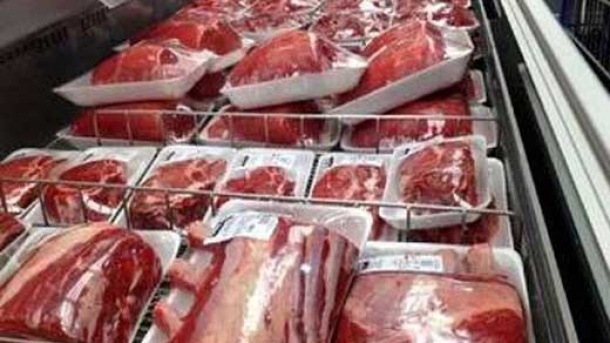
According to Shahr Bours, the surge is fueled by a combination of rising livestock feed costs and seasonal supply constraints. With the Persian New Year (Nowruz) on the horizon, the gap between supply and demand is widening, forcing a ripple effect across all meat categories in the Tehran market.
Market Dissection: What’s Driving the Meat Prices?
1. Mutton vs. Beef: The Valuation Gap: Mutton (Lamb) continues to be the most volatile segment of the market, recording the highest growth in this round of updates. Beef prices have also seen an “adjustment,” though at a slightly more stable pace. Analysts point to the high cost of red meat production and logistical challenges as the primary drivers.
2. The Feed Cost Ripple Effect: The persistent rise in the price of livestock feed and vaccines has pushed production costs to record highs. Farmers are struggling to maintain margins, leading to a tighter supply in the “Field-to-Fork” chain. This has translated into higher labels at butcher shops and chain stores across the capital.
3. The “Pre-Nowruz” Supply Crunch: Historically, the months of Bahman and Esfand see a spike in meat consumption. Merchants and distributors are currently navigating a high-demand environment, where any minor supply disruption leads to an immediate price jump. The “Market Regulation” (Tanzim-e Bazar) meat remains the only buffer for lower-income deciles.