
According to the Shahr-e-Bourse, in the last decade, the global automotive industry has moved at a breakneck speed towards electrification and the elimination of internal combustion engines (ICE). This change of direction is not just a technological trend, but also an inevitable response to environmental crises and energy imbalances. In Iran, however, this equation has its own complexities. With the accumulation of worn-out vehicles, increasing gasoline consumption and chronic pollution in metropolitan areas, imposing strict restrictions on the circulation of combustion vehicles and, at the same time, accelerating the process of scrapping vehicles is no longer a luxury choice, but a strategic necessity for the survival of the transportation system and public health. This report examines the technical, economic and implementation dimensions of this forced transition.
Paradigm shift in the automotive industry and restrictions on the circulation of combustion vehicles
Referring to the global situation, automotive industry expert Ali Ahmadi noted: The automotive industry is at a point of no return. Internal combustion engines, despite more than a century of engineering evolution, have reached the limit of their thermal efficiency and are unable to pass stringent emission standards such as Euro 7 at reasonable costs. Emphasizing the macro level, he added: “The continued production and circulation of these vehicles, especially in dense urban areas, has faced a dead end.” The expert went on to explain: “The smart traffic restrictions that are implemented today in cities such as London (under the name ULEZ) or Paris are not only based on license plates, but also on the level of engine technology and the vehicle’s emissions.”
While explaining the situation in Iran, the automotive industry expert said: “In Iran, the continued use of old platforms and engines with technology from two or three decades ago has caused even zero-kilometer vehicles to be considered “fuel-efficient” and “polluting” compared to today’s global standards.” He went on to state: “Imposing restrictions on combustion vehicles should not be limited to odd- and even-numbered designs. There is a need to redefine the “city entry permit” based on engine efficiency and emission standards. Referring to the advantages of this approach, automotive industry expert Ali Ahmadi noted: This approach takes the pressure off of volume traffic control and focuses on fleet quality.
Technical Challenges of Vehicle Scrapping and Transition to Electric Vehicles in Iran
Emphasizing the technical challenges, automotive industry expert Ali Ahmadi added: The biggest challenge in limiting internal combustion vehicles is the lack of alternative infrastructure. When we talk about limiting the traffic of gasoline vehicles, technical alternatives such as hybrid vehicles (HEV), plug-in hybrid vehicles (PHEV), and all-electric vehicles (BEV) must be available. He explained the key aspects and said: The electricity distribution network, charging stations, and after-sales service technical knowledge are the sides of a triangle that, without completing them, pressure on combustion vehicles will only lead to public dissatisfaction and the locking of the transportation system. The expert continued: “However, we cannot wait until the infrastructure is 100 percent complete; deterrent policies must be implemented step by step and in line with the development of infrastructure so that the market is guided towards improving the consumption pattern.”
The crisis of worn-out cars and the role of scrapping cars in reducing air pollution
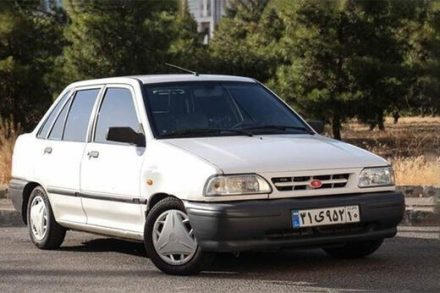
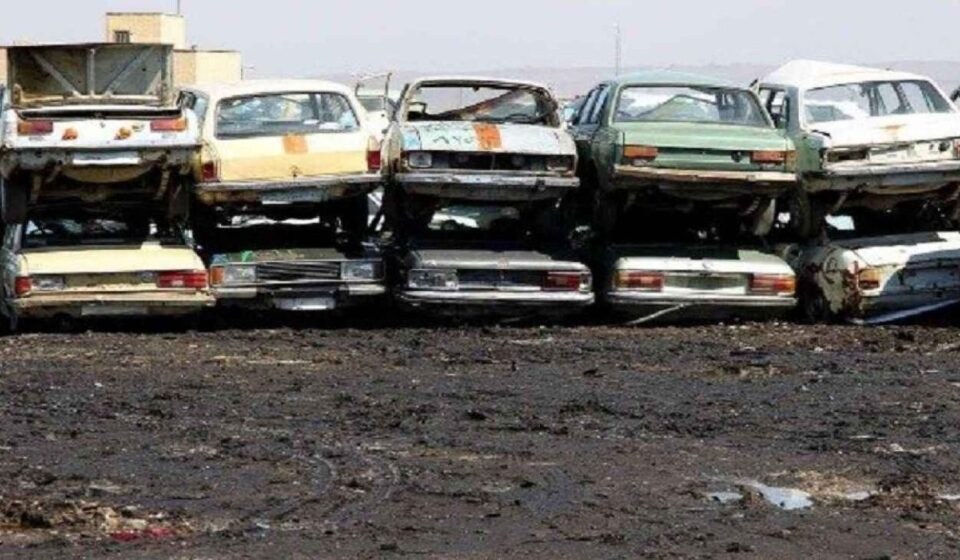
Referring to the main crisis, automotive industry expert Ali Ahmadi noted: “Perhaps the biggest obstacle to the breathing of metropolises and the management of fuel consumption is not new cars, but the army of worn-out cars. Official statistics show that a significant part of the country’s public and private transport fleet is at an obsolescence age.” Emphasizing the differences, he added: “A worn-out car with a carburetor or injection system of the first generation can produce up to 5 times more pollution than a modern car and have a fuel consumption between 1.5 and 2 times the standard.” The expert continued: This “energy black hole” wastes millions of liters of gasoline every day and injects thousands of tons of toxic pollutants into the lungs of citizens.
While explaining the scrapping process, the automotive industry expert said: The process of scrapping cars has slowed down in recent years. There are many reasons for this: from the jump in car prices, which has made scrapped car carcasses valuable, to the ineffectiveness of government incentives. He continued: Accelerating scrapping requires economic surgery. Simply banning traffic is not enough, because for many owners of these cars, who are from low-income groups, cars are a means of livelihood. Referring to the solutions, automotive industry expert Ali Ahmadi noted: Therefore, turnkey replacement plans with real and low-interest facilities, and requiring automakers and importers to provide real scrapping certificates (and not pay a riyal fine), are the only way out of this impasse.