
According to the Shahr-e-Bourse , quoted by Asr Tejarat , the steel and metallurgy industry in Iran is more than a manufacturing sector, it is a national asset and a symbol of the country’s industrial power in the region and the world. With its huge mineral capacities and global ranking in production, this industry is considered the backbone of the trade balance, an anchor for productive employment, and the main provider of the country’s infrastructure needs.
But today, this economic giant is caught in a bitter paradox. While we are among the largest in terms of production and technology, we seem to have the smallest share in terms of economic security and regulatory stability. Every macroeconomic crisis and every short-term government imbalance is first imposed on large industries like steel, as if this industry were a reserve fund covering the inefficiencies of other sectors of the economy.
On the eve of the Iran Metapho exhibition, to overcome this contradiction, we must openly and openly address the biggest challenge of this industry, namely “policy instability and unpredictability.”
The Triple Trap: A Marathon Between Sanctions, Tariffs, and Energy Cuts
Iran’s metallurgical producer is caught in a grueling marathon that has three main obstacles:
1. Challenge One: Global Sanctions and the Costs of Circumventing Them
A significant portion of the country’s foreign exchange earnings comes from the export of steel and mineral products. Sanctions have transformed this process from a simple trade into a complex and costly logistical and financial operation. These additional costs reduce companies’ profit margins and make it harder to compete in global markets . This is an external and imposed risk that the manufacturer is managing with all its might.
2. Second challenge: Hourly and domestic clearance fees (export trap)
Just when the manufacturer, despite thousands of problems caused by sanctions, has delivered its product to its destination and is close to profitability, it is faced with domestic last-minute decisions. The sudden announcement of export duties (often with the aim of controlling domestic prices or compensating for the budget deficit) without any time limit or expert consultation is a sure shot at this industry.
These decisions not only eat into companies’ revenues, but also send a strong negative signal to international buyers that “supplying goods from Iran is unreliable and risky.” This export trap is actually a self-sanction that the government is using to squeeze the productive sector. The paradox is that on the one hand, producers are expected to “boost exports,” and on the other, they are chained to their feet by imposing tariffs.
3. Challenge Three: Steel, the number one victim of energy imbalance
Perhaps the most devastating and serious challenge facing the industry today is the imbalance in energy management. The steel industry is an energy-intensive industry and faces severe government restrictions during peak consumption times (summer for electricity and winter for gas ).
Double loss: Gas outages in winter and electricity outages in summer not only halt production, but also seriously damage equipment and furnaces. These outages lead to reduced profitability, losses of thousands of billions of Tomans, and loss of market share.
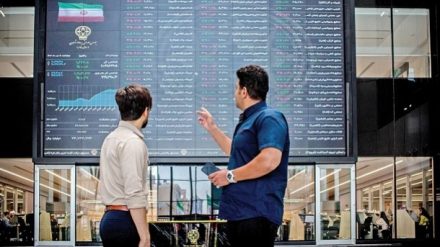
Consequences for the stock market: From the shareholder’s perspective , a company whose profitability depends on “abundance of precipitation” or “unpredictable management by the Ministry of Energy ” is uninvestable. This energy instability directly leads to a decrease in confidence in the shares of large metallurgical companies in the capital market and pushes liquidity towards unproductive assets.
The Rescue Trilogy
For the metallurgical industry to play its role as an “economic driver” rather than a victim, the government must shift its approach from managing short-term volatility to long-term sustainable governance.
1. Comprehensive and written energy strategy:
An “Energy Commitment Document” should be issued for large industries that: a) clarifies the obligation to provide energy to energy-intensive industries over a five-year period. b) announces a detailed timetable for infrastructure development and joint government-industry investment in the energy sector (especially self-sufficient power plants). c) makes compensation for damage caused by unwanted outages a legal requirement.
2. Consolidation of export and customs laws:
The government should make the Law on Continuous Improvement of the Business Environment practically applicable to all its tariff and export decisions. Any changes in tariffs and duties should be implemented with a minimum of six months’ notice and after final approval by the general and consultative assemblies of the relevant trade unions. This simple measure will be the most important factor in restoring trust in the international supply chain.
3. Relying on the capital market for development
The Metafo exhibition should be a platform for introducing new financial instruments in the commodity and stock exchanges. The mining and metallurgical industries should not simply wait for bank facilities to develop exploration, deepen value chain projects, and invest in the energy sector.
The development of standard parallel futures, specialized project funds, and energy risk insurance policies in the capital market can provide the necessary financial resources in a transparent and sustainable manner.
Large industries like steel can only be strong supporters of the economy when they themselves enjoy a minimum level of economic security. Ending the “steel paradox” requires political will to accept that the country’s greatest advantages should not be turned into its greatest challenges through whimsical and capricious decisions.
Our producers have been able to circumvent global sanctions; but they are unable to cope with domestic instability. It is time for the government to free these industrial giants from the trap of short-term policies and grant them the largest share of economic security. Investors seek refuge in a stable environment, not a market that wakes up every morning with a new directive.