
According to Shahre Bours, On the second day of the 28th Elecomp Exhibition, a specialized panel on “Regulation and the Future of Cryptocurrencies in Iran” was held. This session, attended by experts and industry professionals, addressed the existing challenges facing the cryptocurrency market in Iran.
Main Discussion; Conflict Between Government Policies and Private Sector Concerns
One of the key topics discussed in this panel was the ongoing conflict between government regulatory approaches and private sector concerns, which was identified as the primary barrier to the development of the cryptocurrency market in Iran.
Regulatory Challenges Facing Cryptocurrencies in Iran
Experts highlighted that the lack of coordination between government policies and the needs of the private sector represents the largest challenge for the cryptocurrency industry in Iran. This disconnect has led to legal and operational uncertainties for many industry players. According to some participants, this situation could significantly hinder the growth and development of this emerging technology in the country. Furthermore, experts warned that the lack of regulatory transparency is undermining investor confidence.
Impact of Central Bank Policies on Cryptocurrency Exchanges
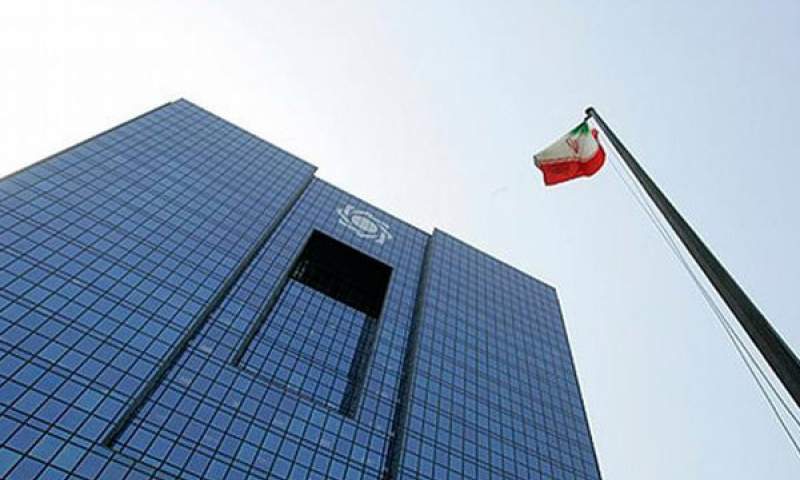
Another major topic of discussion was the potential impact of the Central Bank of Iran’s proposed regulatory framework for cryptocurrency exchanges. Experts warned that this proposal could force up to 90% of the country’s active cryptocurrency exchanges to exit the market. This raises serious concerns among industry participants, who believe such a policy would reduce competition and limit user access to crypto trading platforms.
Private Sector Concerns Over New Regulations
The private sector, which plays a pivotal role in the development of innovative technologies such as cryptocurrencies, has voiced concerns about the stringent new regulations. Industry stakeholders argue that without addressing their concerns, it will be impossible to create a sustainable and dynamic ecosystem. They have called for increased dialogue between government authorities and private sector representatives. Some experts suggest that only through collaborative efforts can effective solutions be achieved, ensuring a balanced regulatory environment that fosters growth while safeguarding investor interests.
This ongoing debate underscores the importance of finding common ground between regulatory bodies and industry participants to build a stable and progressive cryptocurrency ecosystem in Iran.